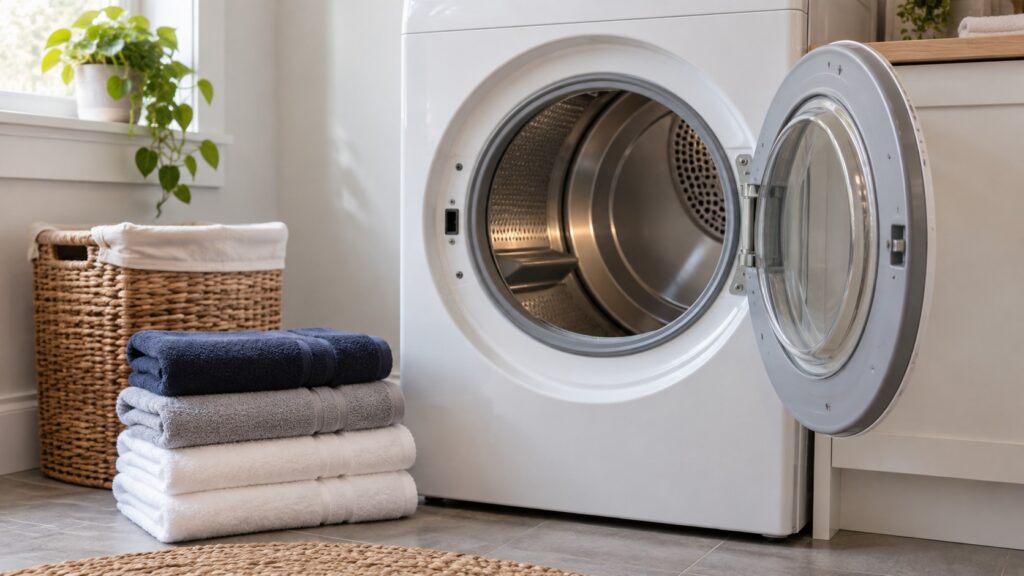
Using a Fisher Paykel dryer how to use it well comes down to airflow and a sensible load. Clothes dry because warm air moves through them and carries moisture away, so anything that restricts the air, a clogged lint filter, a packed drum or a blocked vent, slows drying and wastes energy. Add the right program for the fabric and a habit of emptying the dryer promptly, and you get dry, uncreased clothes at lower cost. The exact programs, symbols and options depend on your model, and our site does not list them, so check the owner’s manual alongside these tips.
What should you do before every load?
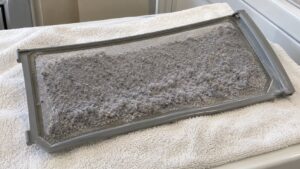
Clean the lint filter. Our guide on a dryer that takes too long says a clogged lint filter restricts airflow dramatically and tells you to clean it before every load. Pull the filter out, remove the lint by hand and put it back fully seated. Check pockets for tissues, coins, pens and lighters, which can damage the clothes and the drum. Shake out damp items, because a tangled ball of wet clothes dries unevenly. If you have a heat pump dryer, your manual describes any other regular task, such as emptying a water container or cleaning a condenser, and the heat pump dryer maintenance guide covers the routine.
How should you load the drum?
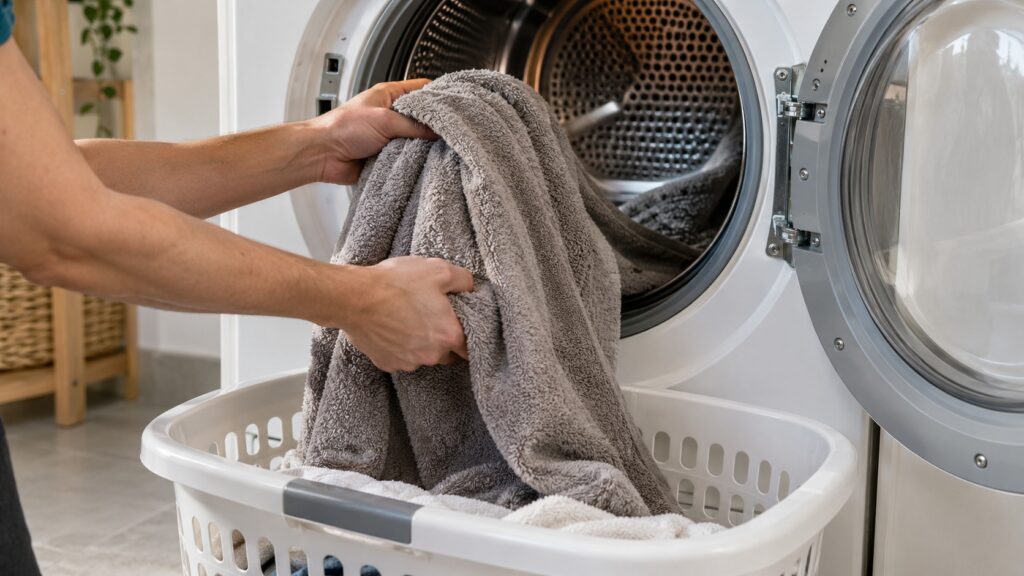
Loosely. Clothes need room to tumble so air can pass through them. A drum packed to the top dries slowly and leaves damp patches in the middle. Our guide on slow drying names overloading as the leading cause of a long cycle and says dryers need room for air to circulate. Mix big and small items so they tumble apart, and avoid combining heavy items like towels and jeans with light items like shirts in a single load, since the light items dry quickly and the heavy ones take much longer. Do not put in items that are dripping wet. Make sure the washer has spun the load well; a washer that spins slowly sends wet clothes to the dryer.
How do you choose a program?
Match it to the fabric and how dry you want the load. Programs for cottons and heavier items use more heat and run longer, and programs for synthetics and delicates are gentler. Drying-level settings let you stop short of fully dry for items you will iron. Fisher & Paykel dryers with a moisture sensor decide when the load is dry, and the level you pick tells them where to stop. The names, the choices and any extras such as an anti-crease option vary by model, so use your manual’s program table. Always follow the care labels on the clothes, and use low heat for anything the label warns about.
Why does a heat pump dryer take longer?
Because it dries with gentler, recycled warmth instead of a hot blast. Our guides on how heat pump dryers work and on slow drying explain that these dryers run at lower temperatures than conventional dryers, which protects fabrics and saves energy but makes cycles inherently longer. A long cycle on a heat pump dryer is therefore not by itself a fault. It becomes a concern if cycles are far longer than usual for you, or if clothes come out damp. If you are choosing between types, our gas vs electric dryer guide and the heat pump dryer glossary help.
What should you do after the cycle?
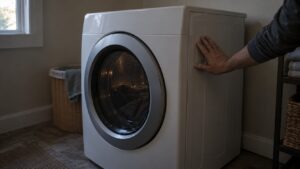
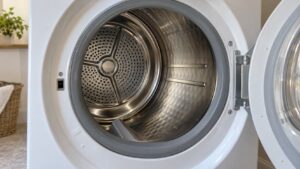
Take the clothes out promptly and shake them out, which keeps creases from setting. Wipe the lint filter and check the drum for stray items. Leave the door open for a while so any moisture can escape, and keep the area around the dryer clear. If the dryer shows a reminder, handle it. Do not leave a dryer running unattended while you are out of the house, and do not dry items that have been soaked in flammable substances such as oil or solvents; wash them and follow the care label. If you notice a burning smell, stop the dryer, switch it off at the breaker and see our dryer burning smell guide.
How do you care for different fabrics?
Read the care label on each item and sort accordingly. Cottons and towels tolerate more heat and longer cycles. Synthetics and blends do better on gentler programs, and some items should never go in the dryer at all, such as items with rubber or foam backing, and anything that the label marks for line drying. Dry heavy and light items separately, so the light ones are not over-dried while you wait for the heavy ones. Do not dry items with embellishments that can melt, and turn dark clothes inside out to reduce lint and fading. If a program is not obvious, choose the gentler one: you can always run a short extra cycle, but you cannot undo shrinkage.
Fabric softener sheets are a matter of taste, but they can leave a film on the moisture sensor, so if you use them regularly, wipe the sensor bars in the drum now and then, as the manual describes for your model. A clean sensor is part of getting dry clothes.
When should you call a technician?
Call if clothes stay damp even with a clean filter and a sensible load, if the dryer will not start or stops mid-cycle, if it will not heat or if it smells of burning. Our long dry times page lists the symptoms, and our Fisher & Paykel dryer repair page explains how a visit works.