This appliance lifespan guide gives you the numbers you need to decide whether a tired machine is worth fixing or ready for retirement. Every category of household appliance follows a predictable wear curve, and knowing where your unit sits on that curve turns an emotional decision into a practical one. Below you will find industry-average lifespans for each appliance type, paired with notes specific to Fisher & Paykel models and the components that tend to fail first.
Appliance lifespan chart
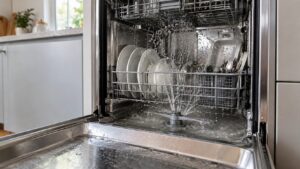
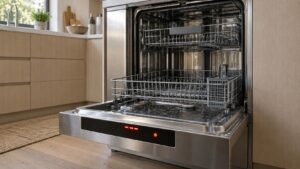
Dishwasher: 10-13 years
Fisher & Paykel dishwashers tend toward the higher end due to quality construction. The Series 9 and Series 11 models with stainless steel tubs outlast plastic-tub competitors. Key wear items: wash motor (8-12 years), door seals (6-10 years), control board (7-12 years).
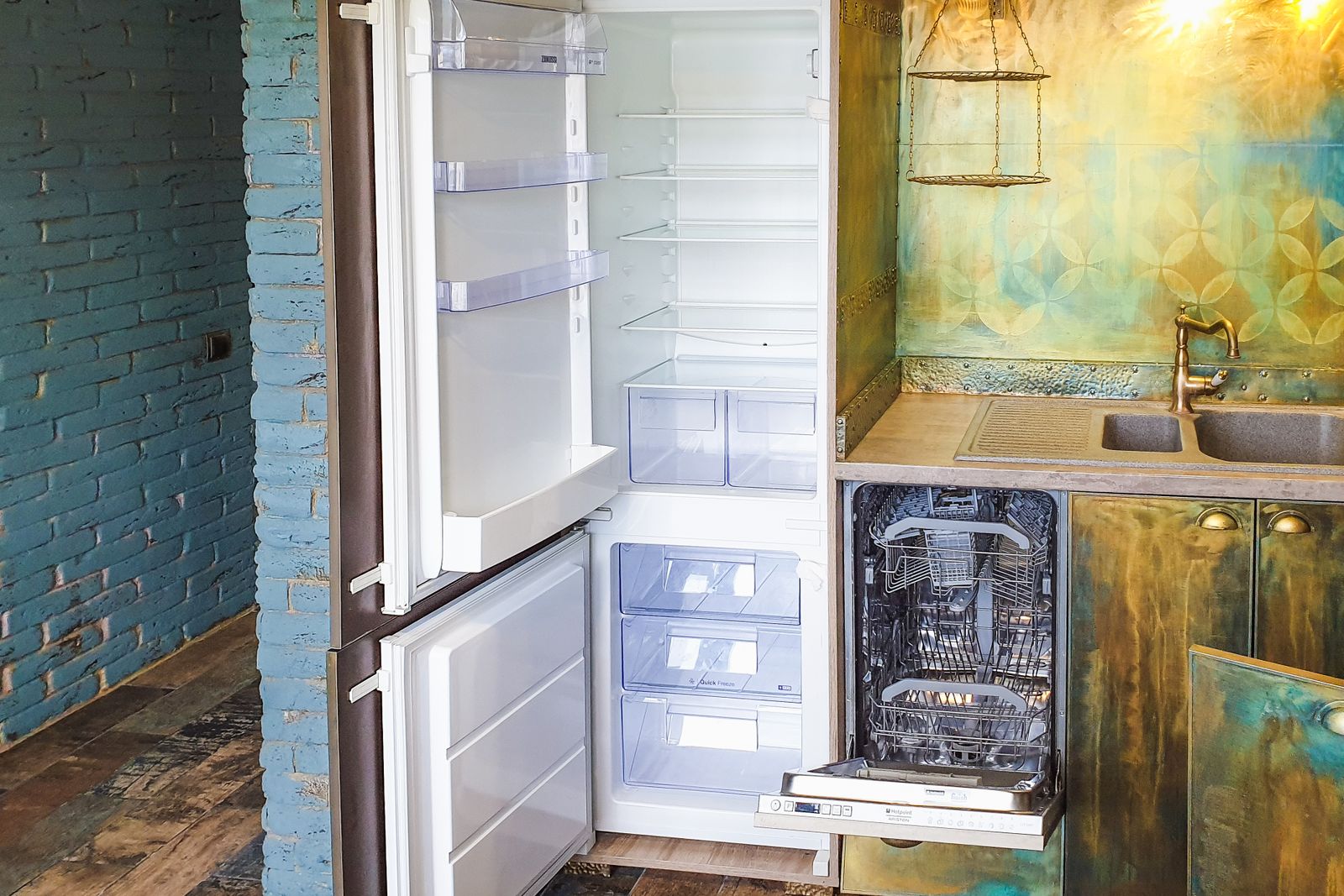
Refrigerator: 13-17 years
The longest-lived major appliance. Fisher & Paykel built-in models (Series 11) last longer than freestanding units because they’re designed for permanent installation. The compressor is rated for 10-15 years; everything else is replaceable. See our refrigerator maintenance checklist to maximize lifespan.
Washing machine: 10-14 years
Front-loaders generally last 10-12 years; top-loaders 12-14. Fisher & Paykel front-loaders fall in the 11-14 year range with proper door boot maintenance. The drum bearings are the lifespan-limiting component.
Dryer: 10-14 years
Conventional dryers: 10-13 years. Fisher & Paykel heat pump dryers: expected 12-15 years (the lower operating temperatures reduce wear on internal components). Heat pump compressor failure is the most expensive repair.
Oven/wall oven: 15-20 years
Ovens have the fewest moving parts. Heating elements and igniters are consumable items that don’t count against lifespan. The control board is usually what eventually ends an oven’s service life. Self-cleaning cycles accelerate control board wear.
Gas range: 15-18 years
Similar to ovens, with the addition of gas valve and igniter wear. Surface burner igniters last 8-12 years; oven igniters 10-15 years. Both are inexpensive to replace.
Vent hood: 12-15 years
Fan motors are the primary wear item. A vent hood with a working motor and clean ductwork can last 20+ years.
Wine cooler: 10-15 years
Thermoelectric models last 8-12 years; compressor-based models (all Fisher & Paykel) last 12-15 years. Temperature control precision degrades before the unit fails completely — monitor with an independent thermometer.
The replacement zone
For any appliance, the “replacement zone” starts at 75% of expected lifespan. In this zone, repairs exceeding 30-40% of replacement cost should trigger serious replacement consideration. Before 75%, repairs up to 50% are usually worthwhile.
For a professional assessment of any Fisher & Paykel appliance, schedule a diagnostic appointment.
Putting this appliance lifespan guide to work
The single most useful habit is to write down the install date of each appliance and check it against the ranges above once a unit passes the seven-year mark. Pair that date with the model and serial number from the rating plate so a repair estimate can be matched against current replacement pricing. Treat the percentages here as guardrails, not verdicts: a five-year-old dishwasher with a failed control board is almost always worth fixing, while a fourteen-year-old front-loader with worn drum bearings rarely is.
Maintenance that stretches the curve
Most of the lifespan figures above assume routine upkeep, and skipping it shifts every estimate downward. Clean dishwasher and washer filters on schedule, vacuum refrigerator condenser coils once or twice a year, and keep vent-hood ductwork clear so fan motors aren’t fighting back-pressure. Fisher & Paykel builds ActiveSmart and SmartDrive systems to log error history, which means a clean unit nearly always reaches the upper bound of its range while a neglected one fails years early.
When a Fisher & Paykel appliance does cross into the replacement zone and you want a second opinion, our experienced technicians can diagnose the specific problem, quote repairs starting from $99, and tell you honestly whether the fix makes financial sense. If the unit ever throws a problem, our error code reference explains what the display is telling you before you spend a dollar. We source replacement components from trusted parts suppliers and back labor with a 30-day warranty, so you can weigh the numbers in this guide against a real estimate rather than a guess.