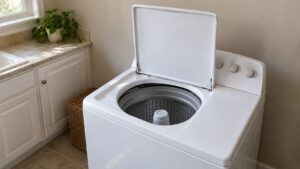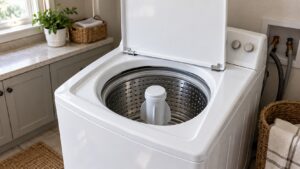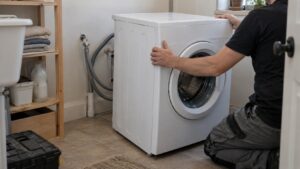

This guide covers fisher-paykel washer door boot cleaning, the single maintenance habit that keeps a front-loader smelling fresh instead of musty. The rubber door boot (also called the door gasket or bellows) on Fisher & Paykel front-load washers creates a watertight seal between the door and the drum. Its design includes folds and a bottom trough that traps moisture after every cycle. Without regular cleaning, this moisture breeds mold and mildew — producing the musty odor that front-loader owners dread.
Why mold grows in the door boot
Three factors create ideal conditions: trapped moisture in the boot folds, detergent residue that feeds mold growth, and warmth from the wash cycles. Using too much detergent makes the problem worse — excess suds leave a film inside the boot that becomes a mold food source. High-efficiency (HE) detergent at the recommended dose is essential.
Cleaning the door boot
- Pull back the folds — Open the door and use both hands to pull the rubber boot forward, exposing the inner surfaces. You’ll likely see black spots, slimy residue, or both.
- Initial wipe — Use paper towels to remove loose debris and standing water from the bottom trough.
- Apply cleaner — Mix equal parts white vinegar and water in a spray bottle. Spray all surfaces of the boot generously, including deep inside the folds. For heavy mold, use a paste of baking soda and water instead — apply with an old toothbrush.
- Scrub — Use a soft brush or cloth to scrub every fold. Pay special attention to the bottom 6 inches where water pools.
- Rinse cycle — Run an empty hot water cycle with 2 cups of white vinegar in the drum. This flushes the interior hoses and pump.
Prevention protocol
- Leave the door ajar — After every wash, crack the door open 2-3 inches. This allows air circulation and lets the boot dry. This is the single most effective prevention measure.
- Wipe the boot dry — After the last load of the day, wipe the boot folds and the door glass with a dry cloth. Takes 30 seconds.
- Use HE detergent — Regular detergent produces excess suds that don’t rinse completely. Use the amount recommended on the HE detergent label — usually less than you think.
- Monthly cleaning cycle — Run a Drum Clean cycle (or a hot cycle with 1 cup of bleach) once a month with an empty drum.
- Remove wet clothes promptly — Don’t leave wet laundry sitting in the drum. Transfer to the dryer within an hour.
When to replace the boot
If the rubber is torn, cracked, or the mold has penetrated deep into the material (staining that won’t scrub away), replacement is the best option. A compromised boot will also leak water onto the floor. Boot replacement involves removing the front panel of the washer and the retaining springs that hold the boot in place. It’s a 45-minute job for a technician — book Fisher & Paykel washer service if you’d rather not tackle it yourself.
Building fisher-paykel washer door boot cleaning into your routine
The odor that drives people crazy on front-loaders is almost entirely preventable, and it comes down to two free habits: leaving the door ajar between washes and wiping the boot dry at the end of the day. Pair those with a monthly vinegar or Drum Clean cycle and the mold never gets a foothold to begin with. Scrubbing only becomes necessary when prevention has slipped, and replacement only when the rubber itself is compromised. If the boot is torn or the staining won’t lift, schedule professional service rather than living with leaks.
Protecting the seal on your SmartDrive washer
A clean, intact door boot is what lets a Fisher & Paykel SmartDrive front-loader hold a watertight seal through thousands of high-speed spins, so treating the gasket as routine maintenance protects far more than just the smell. Over-dosing detergent is the hidden culprit behind most boot mold, so measuring HE detergent carefully does double duty by keeping suds and residue down. When the rubber finally needs replacing, note the model and serial from the rating plate inside the door frame so a specialist technician can match the correct bellows for your model. Independent service through trusted parts suppliers, backed by a 30-day labor warranty, starts from $129 for a washer visit.