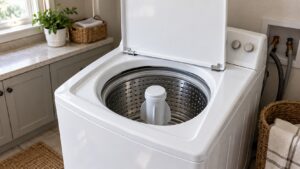
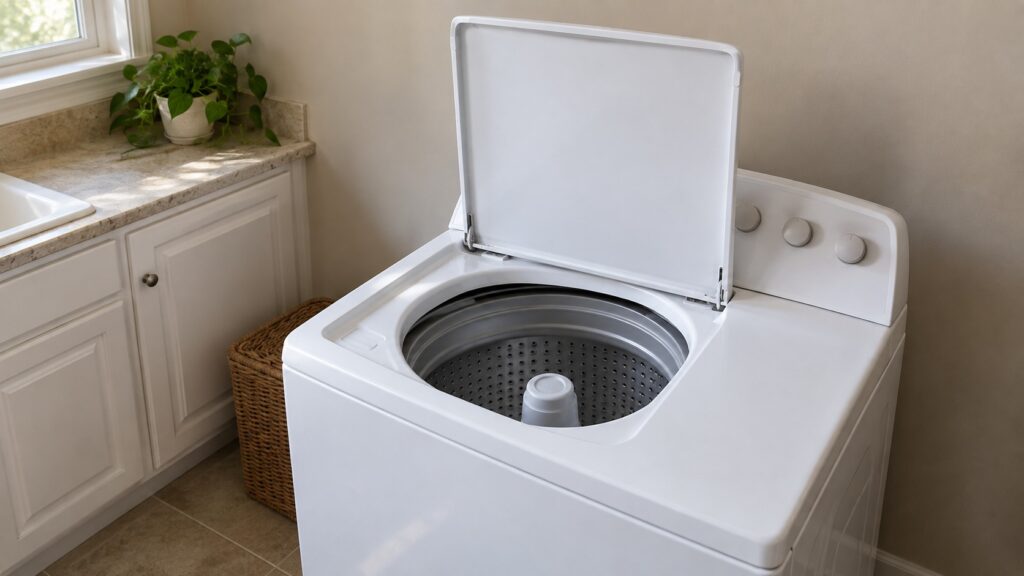
The clutch is the single mechanical part most responsible for how long a Fisher & Paykel top-load washer keeps working without a technician-level fault, and it is also the part behind two of the most common numeric error codes on both major control platforms. Whether a machine runs the older SmartDrive direct-drive system or the later AquaSmart platform, loading habits that put uneven strain on that clutch are what wear it out early — and they are also the easiest thing an owner can actually change.
Why does the clutch matter so much on a Fisher & Paykel top-load washer?
On both the SmartDrive and AquaSmart platforms, the clutch is what lets the bowl spin freely and independently from the agitator during the wash and rinse steps, and then engages the two together for the higher-speed spin cycle. Every cycle asks this one component to disengage and re-engage cleanly, and it does that job under the load of however much wet laundry is in the bowl at the time. A clutch under a heavy, unbalanced load works harder on every single cycle than one under a properly sized, evenly distributed load — and that difference compounds over hundreds of cycles a year.
This is also why the same numeric codes mean slightly different things depending on which platform a machine runs. Our model and serial number guide covers reading the platform off the rating plate, since the code alone does not settle it — the model and the control panel do.
What loading habits actually protect the clutch?
Balance matters more than total weight for clutch wear. A load that is heavily concentrated on one side of the bowl — a single large item like a comforter or a bath mat, wound tightly and sitting unevenly — forces the clutch to manage a lopsided load through every disengage-and-engage cycle, which is a harder job than an evenly distributed load of the same total weight. Mixing item sizes within a load, rather than washing one very large item alone, generally distributes weight more evenly around the bowl.
Overloading compounds the same problem from a different direction: a bowl packed past its rated capacity does not just wash poorly, it also makes every clutch engagement heavier than the mechanism was designed for. A load that looks like it barely fits is usually already past the point where the clutch is working harder than it should.
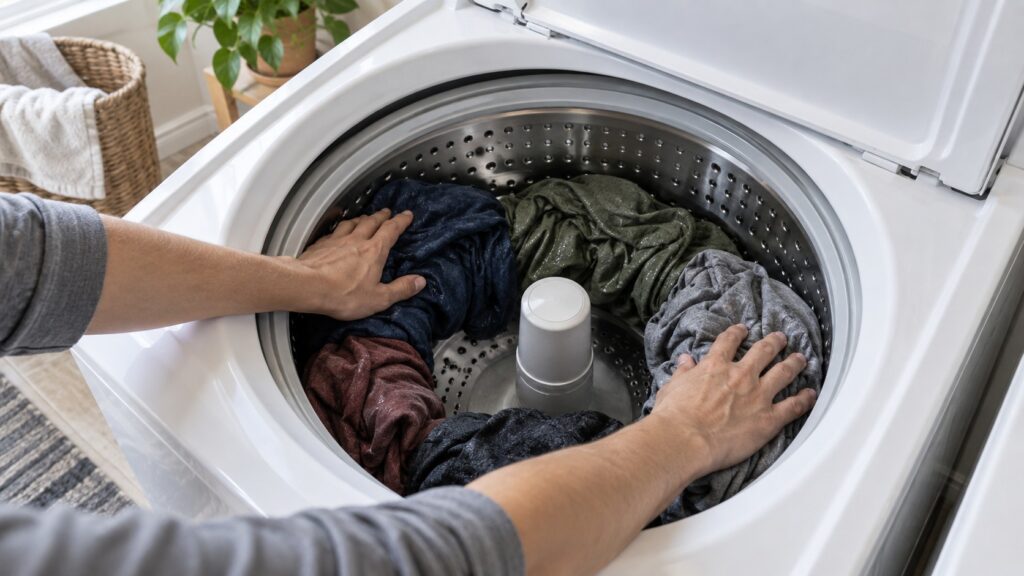
Does washing bulky single items differently help?
Yes, meaningfully. A single bulky item — a comforter, a large bath mat, a heavy winter coat — is the single worst case for clutch strain because it cannot distribute itself evenly around the bowl regardless of how carefully it is loaded. Where practical, adding one or two smaller, similarly weighted items to a load containing one large item helps the load settle more evenly than the large item alone would. For genuinely oversized items that a top-load washer struggles to balance under any circumstances, a trip to a larger-capacity machine is sometimes the more sensible choice than repeatedly stressing a home washer’s clutch on an item it was never well suited to handle.
Running a lower spin speed for especially bulky or unevenly shaped loads, where the machine offers that option, also reduces the peak load the clutch experiences during the highest-stress part of the cycle, even though it means slightly wetter laundry going into the dryer afterward.
How do I know if clutch wear is already becoming a problem?
A washer that has started pausing mid-cycle, taking noticeably longer to reach spin speed, or making a new grinding or clicking sound specifically during the transition from wash to spin is describing exactly the kind of wear that starts with load-related clutch strain. These symptoms are worth noting and addressing early, since a clutch problem caught before it fails completely is a more straightforward and less costly repair than one that has progressed to a full stop with an error code showing.
If a numeric code like 40 or 56 does appear, identifying which platform the machine runs — SmartDrive or AquaSmart — before assuming what it means matters, since the same number points at a genuinely different failure mode depending on the platform. Our detail pages for error code 40 and error code 56 cover the platform-specific meaning for each.
Does detergent or water level affect clutch wear at all?
Indirectly, yes. Too little water for a given load size leaves fabric bunched and dragging against itself and the bowl wall rather than moving freely, which changes how evenly the load settles during agitation and, again, makes every clutch engagement work against a less balanced load than it should. Using the water level appropriate for the actual load size, rather than defaulting to a low setting to save water on every load regardless of size, helps the load settle the way the platform’s engineers assumed it would when they sized the clutch for normal use.
None of this is about detergent chemistry affecting the clutch directly — it is about the load itself moving and settling normally through a full cycle rather than fighting the bowl the whole way through.
What should I actually do differently starting with the next load?
- Mix item sizes within a load rather than washing one large, heavy item alone whenever a mixed load is practical.
- Stay under the rated capacity even when a load technically fits — packed-to-the-limit loads strain the clutch on every cycle, not just occasionally.
- Redistribute a load that sounds or feels unbalanced before starting the spin cycle rather than letting the machine work through it repeatedly.
- Use a lower spin speed for bulky single items where the option exists, accepting slightly wetter laundry in exchange for less strain on the clutch.
We are an independent repair company, not a factory service arm, and clutch repairs on both SmartDrive and AquaSmart platforms are a routine part of what our technicians handle. Book Fisher & Paykel washer repair or schedule a visit if a top-load washer has started pausing, grinding, or showing a numeric code during the spin transition, and we will confirm the platform and the fault before any part is ordered.
Consistent fisher paykel washer clutch care is a habit, not a repair, and it is the cheapest thing an owner can do to keep either platform running for years between service visits.