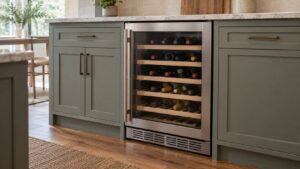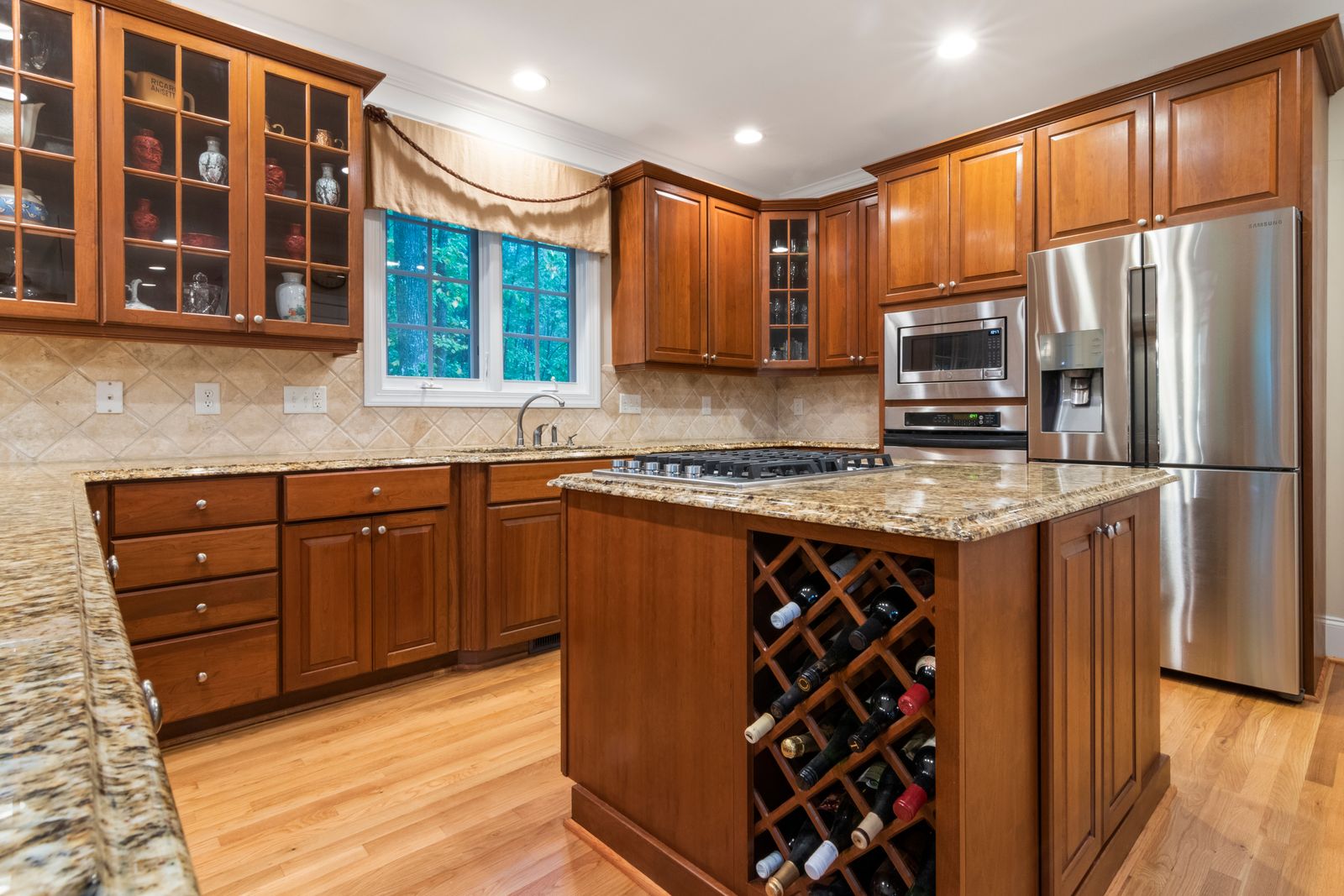
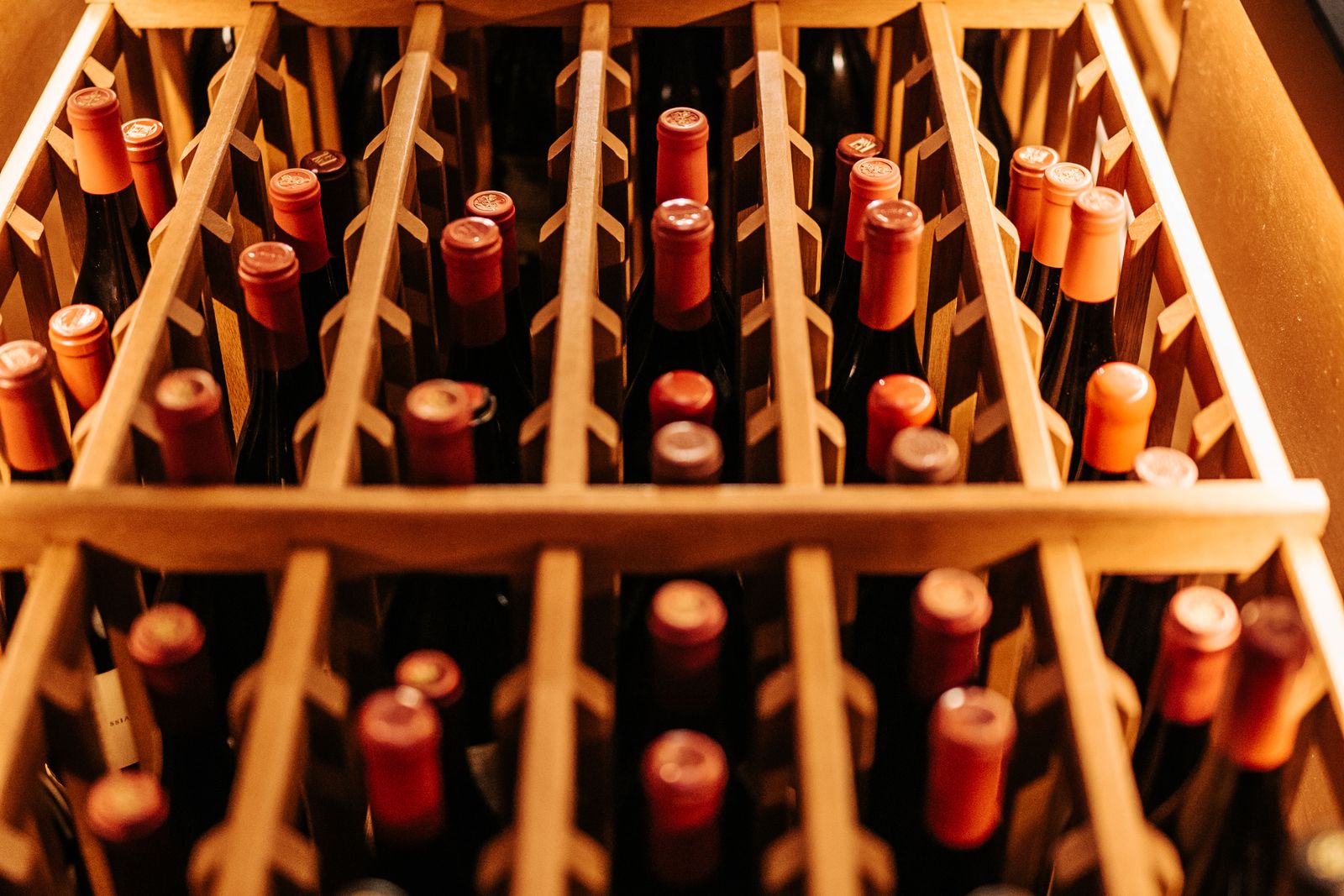
This fisher-paykel wine cooler buying guide compares single-zone and dual-zone cabinets so you can choose the right fit for how you store and serve wine. The decision comes down to whether you keep one style or several.
How to use this fisher-paykel wine cooler buying guide
Consider your collection: mostly one style for long-term storage, or a mix of reds and whites you want ready to serve. That single question usually points to the answer.
Single-zone strengths
- One stable temperature throughout the cabinet
- Ideal for long-term storage or a single style
- Often more capacity for the price
- Simpler controls and operation
Dual-zone strengths
- Two independent temperatures — serve whites and reds at once
- Greater day-to-day flexibility for mixed collections
- Better suited to entertaining
- Slightly higher cost and shared total capacity
Other factors
- Bottle capacity and shelf type for your bottle sizes
- Built-in vs freestanding installation and required clearance
- Noise and vibration levels for living-area placement
Making the choice
Choose single-zone for maximum storage of one style, or dual-zone for serving variety. Whatever you select, stable placement and routine maintenance protect the investment — and our technicians can service either type.
Thinking about capacity and placement
Bottle counts assume standard Bordeaux bottles, so a collection of Burgundy or sparkling bottles fits fewer. Decide between built-in and freestanding early, since built-in units need front venting and specific clearances. For living-area placement, check the noise and vibration ratings so the cabinet is unobtrusive.
Frequently asked questions
Is dual zone worth the extra cost? If you regularly serve both reds and whites, yes; if you mainly store one style, single zone offers more capacity for the money.
Can I build a freestanding unit into cabinetry? Only units rated for built-in installation should be enclosed, as others vent from the rear and can overheat.
How do I compare capacity? Look at the rated standard-bottle count and the shelf layout for the bottle sizes you actually own.
Getting the specification right
Beyond the single-versus-dual decision, a few specifications determine whether a cabinet fits your life. Capacity ratings assume standard Bordeaux bottles, so if you collect Burgundy, sparkling, or oversized bottles, plan for noticeably fewer. Shelf design matters too — display shelves show labels but hold fewer bottles, while full-depth racking maximises capacity. Decide between built-in and freestanding before you buy: built-in units vent from the front and are rated to sit flush within cabinetry, whereas freestanding units vent from the rear and need clearance to avoid overheating. For a cabinet destined for a kitchen or living area, check the noise and vibration ratings so it stays unobtrusive and gentle on the wine. Finally, weigh how you will use it day to day: a dual-zone cabinet rewards those who serve variety, while a single-zone unit gives more usable capacity to a collector focused on storage. Matching these details to your collection and space avoids the most common regret — buying a cabinet that looks right but holds fewer bottles, or vents the wrong way, for where it needs to live.
Keeping a new cabinet running well after you buy
The buying decision is only the first half of owning a wine cooler well; the second is keeping whichever model you choose holding its conditions for the long haul. Both single-zone and dual-zone cabinets rely on the same core hardware — a sensor, a circulation fan, and a compressor or thermoelectric module — so the same maintenance habits and the same eventual service apply regardless of which you picked. Should a cabinet ever drift off temperature, grow noisy, or build condensation, the right response is a diagnosis rather than a guessed part, because the symptom alone rarely names the culprit. An experienced technician confirms whether a warm reading traces to the gasket, the sensor, or the cooling module before anything is ordered, so you are not paying to replace hardware that was never responsible. Any part we fit is matched to the original specification so the cabinet returns to the steady environment a collection needs, and the labor is backed by a 30-day warranty. We never quote a flat price for a service before inspecting the unit; wine-refrigeration repairs start from $129, with the total set once the cause is confirmed. Knowing that either cabinet type can be serviced the same way can make the buying choice easier — pick the format that suits how you store and serve, confident the support is there if it is ever needed.
Once your chosen cabinet is in service, our specialist technicians can keep either type running — book a repair online 24/7, browse wine-refrigeration repair services, or review related wine-refrigeration error codes and model specifications. For original product documentation, see the manufacturer site at fisherpaykel.com.