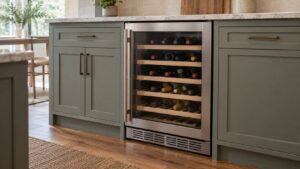
A fisher-paykel wine cabinet not cooling to the set temperature can put a collection at risk, but the cause is frequently environmental or a sealing issue rather than a refrigeration failure. These checks isolate most problems.
Why a fisher-paykel wine cabinet not cooling is often environmental
Wine cabinets hold a narrow temperature band using either a compressor or a thermoelectric system. Both depend on free airflow and a sealed cabinet, so blocked vents or a warm room quickly affect performance.
Symptoms to look for
- Interior warmer than the set point
- System runs constantly without reaching temperature
- Condensation inside the door
- Display shows a temperature alarm
Common causes
- Ventilation grilles blocked or insufficient clearance
- High ambient room temperature beyond the unit rating
- Worn or misaligned door gasket
- Overfilling that restricts internal airflow
- Failed fan, thermoelectric module, or compressor (technician-level)
What you can check first
- Confirm the set temperature and any zone settings.
- Clear clearance around the vents and rear of the cabinet.
- Check the room temperature is within the cabinet specification.
- Inspect the door seal and that the door closes squarely.
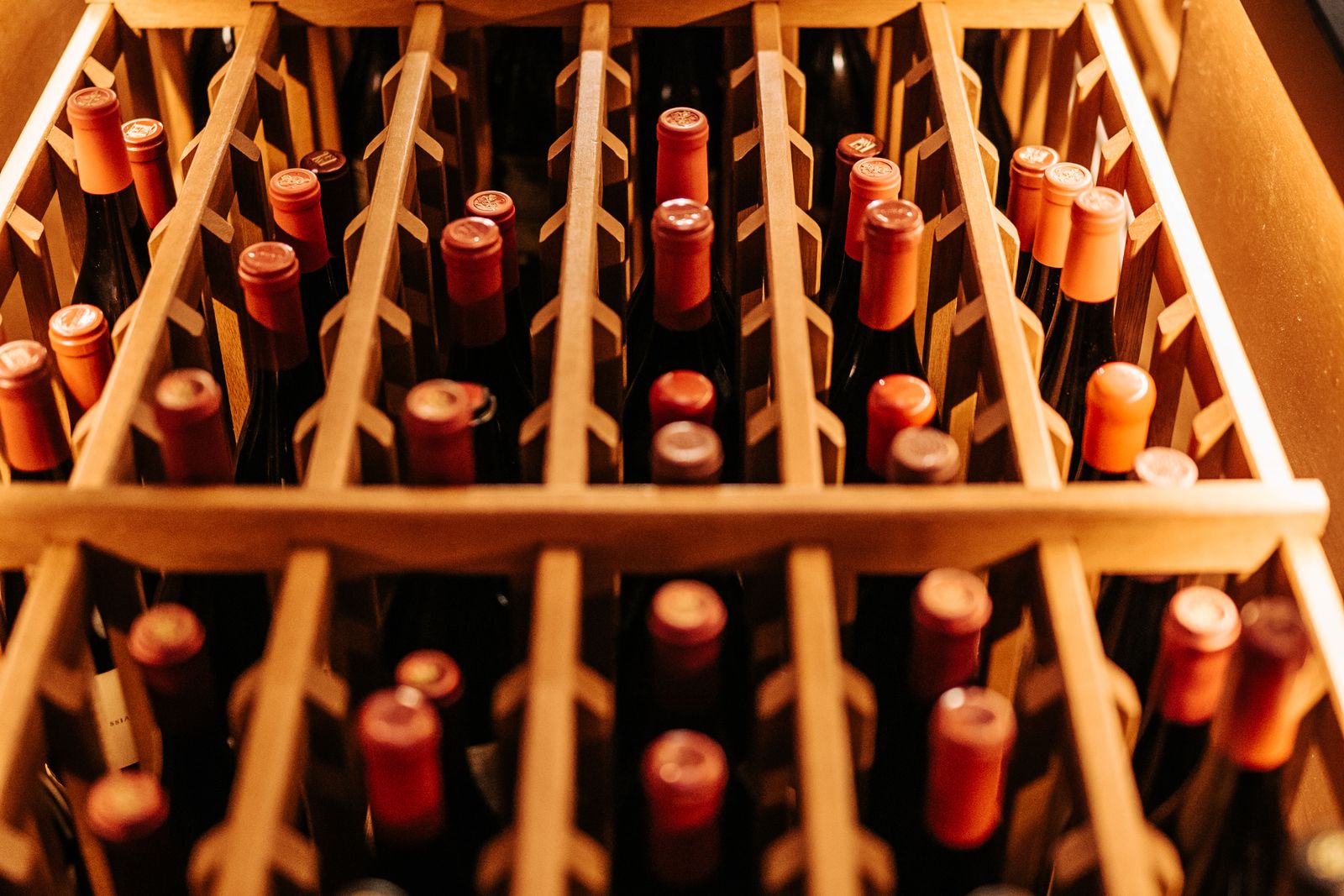
- Avoid overpacking so air can circulate around the bottles.
When to call a technician
If ventilation, room temperature, and the seal are all correct but the cabinet still will not cool, the fan, thermoelectric module, or sealed refrigeration system likely needs service from a qualified technician.
Giving the cabinet the right environment
Wine cabinets are rated for a particular ambient range. Placing one in a hot garage or against an oven forces the system to run continuously and still fall short. Allow the specified ventilation clearance, keep the unit out of direct sun, and avoid overfilling so chilled air can circulate around every bottle.
Frequently asked questions
How long should it take to reach temperature? Several hours is normal from a warm start; a cabinet that never reaches the setpoint despite good placement needs attention.
Can a hot room stop it cooling? Yes — exceeding the cabinet’s ambient rating is a common cause of poor cooling, especially for thermoelectric units.
Is condensation inside a problem? Light condensation can occur in humid conditions; persistent pooling suggests a seal or door-alignment issue.
What a technician will check
When placement, ventilation, room temperature, and the seal are all correct but a wine cabinet still will not reach its setpoint, a technician assesses the cooling system itself. For compressor-based cabinets, that means checking the compressor, condenser fan, and sealed refrigeration circuit, including the refrigerant charge, which requires certified handling. For thermoelectric cabinets, the focus shifts to the Peltier module, its heat sink, and the fans that move heat away from it, since a tired module simply cannot pull the interior down in a warm room. In both designs the circulation fan, temperature sensor, and control board are verified, because a faulty sensor can misreport the interior and a failing fan leaves warm layers near the top. A technician can measure the true internal temperature against the setpoint and determine whether the shortfall is environmental, a control failure, or a cooling-system failure. That distinction matters: an environmental fix costs nothing, while a module or compressor repair protects a valuable collection from slow, temperature-driven damage.
Restoring a cabinet that has stopped cooling
A cabinet that will not hold its setpoint is a time-sensitive problem, because every hour above the target range nudges a stored collection toward premature ageing. That urgency is precisely why guesswork is the wrong response. Rather than ordering a compressor or a thermoelectric module on a hunch, an experienced technician measures the actual interior temperature, confirms whether the cooling element is even attempting to run, and rules out the cheap causes — a tired gasket, a blocked grille, a sensor reading the room wrong — before touching the sealed system. On a Fisher & Paykel wine cabinet the sensor, circulation fan, and control board are interdependent, so a single warm reading can have several explanations, and confirming the real one first keeps the bill honest. Any replacement part is matched to the original specification so it seats correctly and carries the cooling load the cabinet was designed for, and the labor is backed by a 30-day warranty. We never put a fixed price on a no-cool problem before seeing it, since the work ranges from a free environmental adjustment to a sealed-system repair — wine-refrigeration repairs start from $129, with the total set once the diagnosis is clear. Where the sealed refrigerant circuit is involved, certified handling is mandatory, so that part of the job is never a do-it-yourself task.
If your cabinet still will not reach temperature after these checks, our specialist technicians can diagnose the cooling system — book a repair online 24/7, browse wine-refrigeration repair services, or review related wine-refrigeration error codes and model specifications. For original product documentation, see the manufacturer site at fisherpaykel.com.