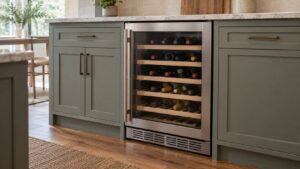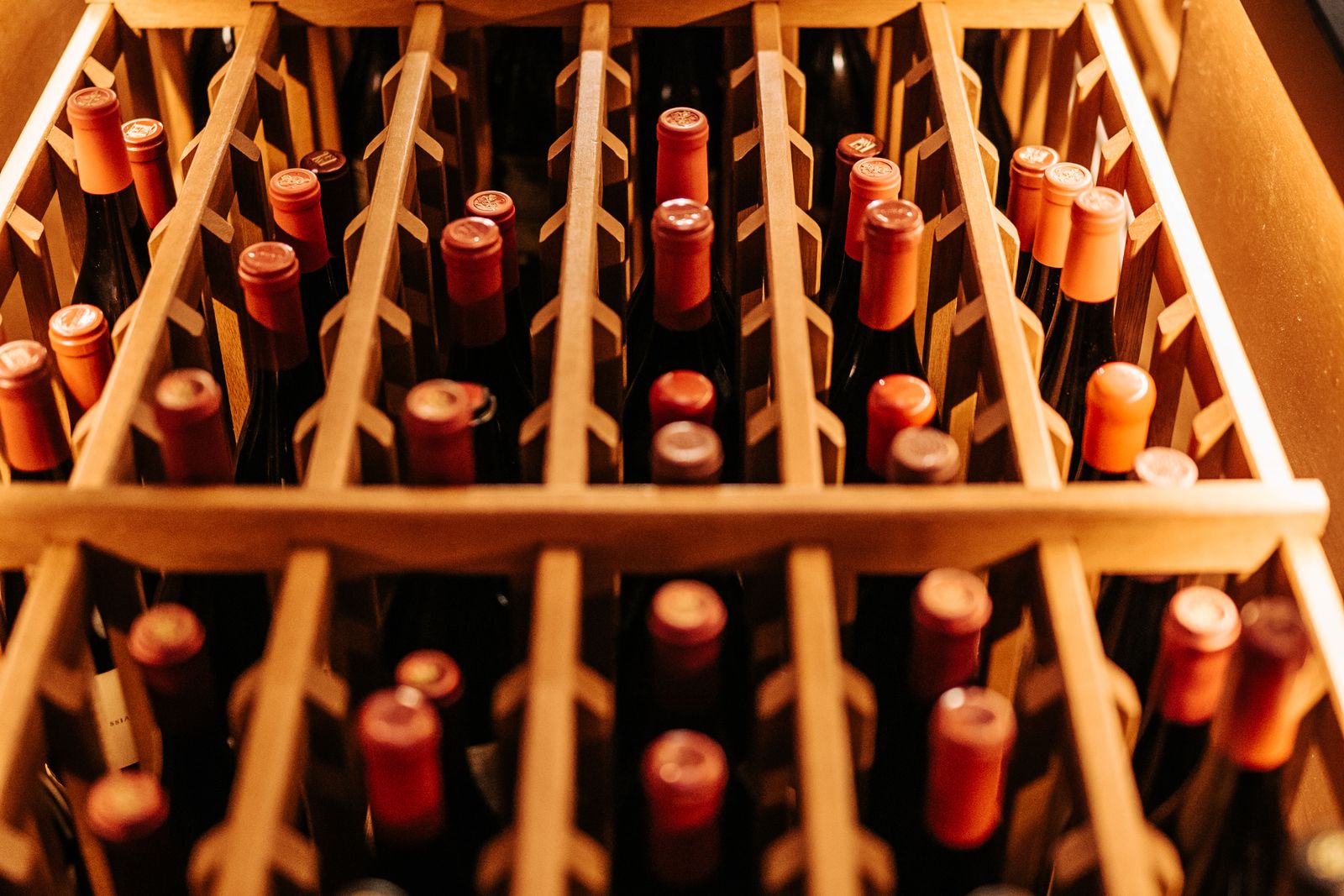
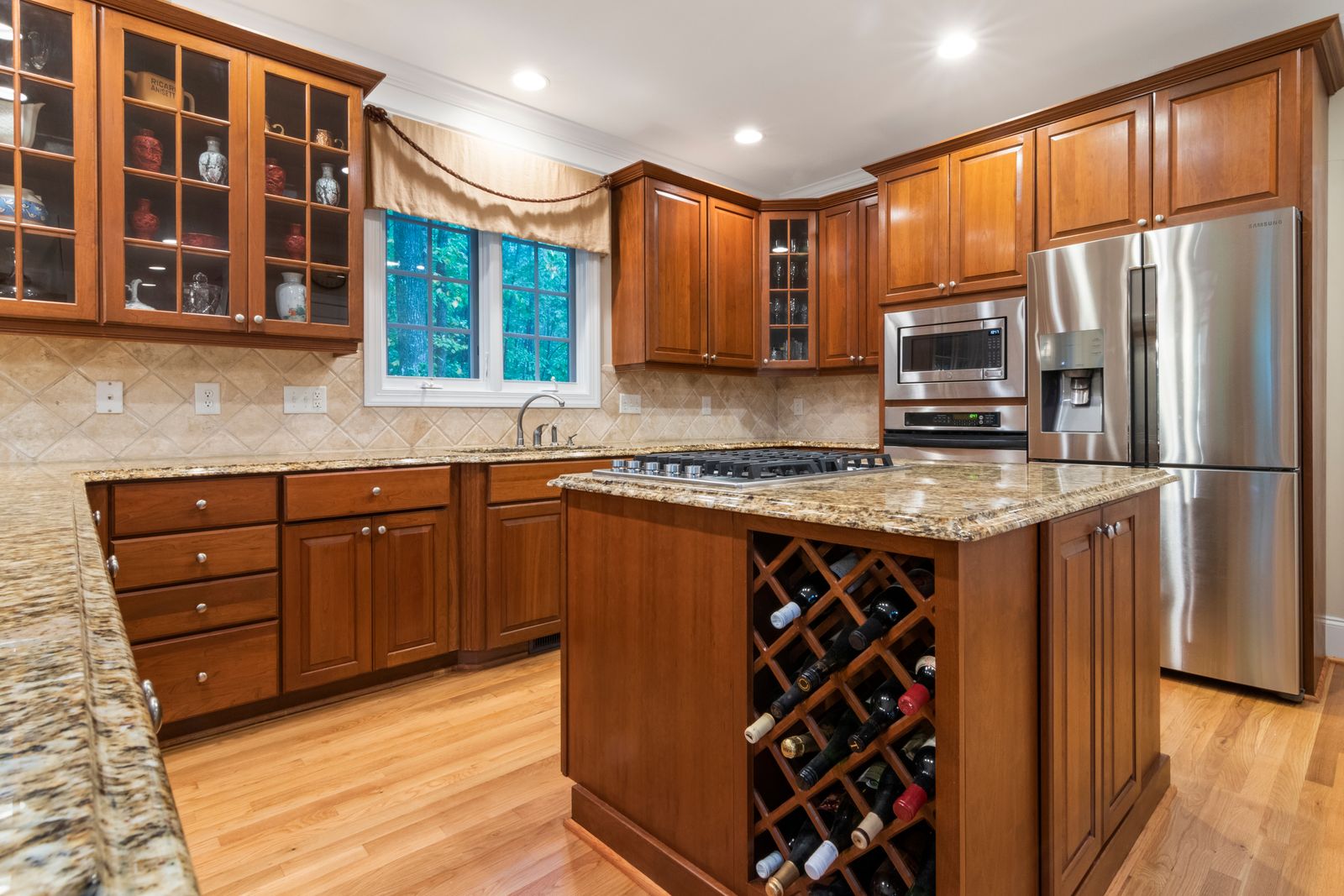
Setting the right fisher-paykel wine cooler temperature protects flavour and ageing potential. More important than chasing an exact number is keeping the temperature stable, because fluctuation is what damages wine over time.
Recommended fisher-paykel wine cooler temperature ranges
- Sparkling and light whites: around 45–50°F (7–10°C)
- Full-bodied whites and rosé: around 50–55°F (10–13°C)
- Reds: around 55–65°F (13–18°C)
- Long-term storage of any wine: a steady ~55°F (13°C)
Single vs dual zone
A single-zone cabinet holds one temperature throughout — ideal for one style or long-term storage. A dual-zone cabinet lets you serve whites and reds at their own temperatures simultaneously.
Keeping the temperature stable
- Site the cabinet away from ovens, direct sun, and heating vents
- Maintain ventilation clearance so the system is not overworked
- Limit door openings and avoid overfilling
- Keep humidity moderate so corks do not dry out
When settings are not holding
If the cabinet drifts from the set point despite correct placement and a good seal, the thermostat, fan, or cooling module may need service. Our technicians can verify the true internal temperature and diagnose the cause.
Why stability beats the exact number
Wine tolerates a range of serving temperatures, but it does not tolerate constant change. A cabinet held steadily at a slightly imperfect temperature protects wine better than one that swings around the ideal. Choose a setting you can keep stable, and let the cabinet settle for a day after any adjustment.
Frequently asked questions
What temperature suits long-term storage? A steady ~55°F (13°C) suits most wines for ageing, regardless of color.
Do I need dual zones? Only if you want to serve whites and reds at their own temperatures at the same time; a single zone is ideal for storage.
Does humidity matter? Yes — moderate humidity keeps corks supple so the seal stays airtight.
Serving versus storage temperatures
It helps to separate two goals: long-term storage and ready-to-serve convenience. For storage, a single steady temperature around 55°F (13°C) suits virtually all wine, because consistency matters far more than matching each style. For serving, lighter whites and sparkling wines show best a little cooler, full whites and rosé slightly warmer, and reds warmer still. A dual-zone cabinet lets you hold both a serving temperature and a storage temperature at once, while a single-zone cabinet asks you to pick one purpose. Whichever you use, give the cabinet a full day to stabilise after changing the setting, and avoid the temptation to chase small fractions of a degree. Keep the cabinet away from heat sources and out of direct sun so the system is not fighting the room, and limit door openings, which introduce warm, dry air. If the cabinet cannot hold the chosen temperature despite correct placement and a good seal, the thermostat or cooling module is the likely cause and worth a technician’s assessment before the instability affects the wine.
When the temperature will not stay where you set it
Dialling in the perfect number means little if the cabinet cannot actually hold it, so a reading that drifts after you have ruled out placement, door openings, and a worn gasket points at the hardware rather than the setting. The most useful first step is to confirm the displayed temperature against an independent thermometer left mid-shelf for a few hours; a gap between the two often means the sensor, not the cooling system, is the problem. An experienced technician follows the same logic — verify the true interior temperature, check that the thermostat is commanding the cooling element correctly, and only then look at the fan or cooling module — so you are not paying to replace a compressor when a drifting sensor was misreporting all along. On a Fisher & Paykel cabinet the sensor, control board, and circulation fan work as a set, which is why a single unstable reading deserves a proper diagnosis. Replacement parts are matched to the original specification so the cabinet returns to holding the tight band wine needs, and the labor carries a 30-day warranty. We do not quote a flat price for a temperature complaint sight unseen, because the work might be a sensor calibration or a module replacement — wine-refrigeration repairs start from $129, with the total confirmed after diagnosis.
If the cabinet keeps drifting from your chosen setting, our specialist technicians can verify the true internal temperature — book a repair online 24/7, browse wine-refrigeration repair services, or review related wine-refrigeration error codes and model specifications. For original product documentation, see the manufacturer site at fisherpaykel.com.