Planning Your Fisher & Paykel Wall Oven Installation
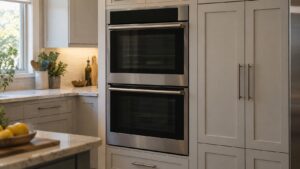
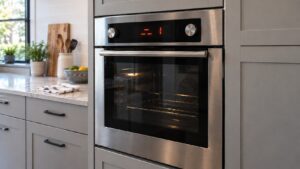
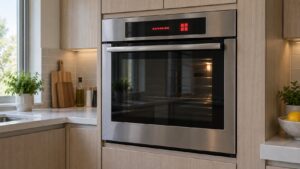
Getting the fisher-paykel wall oven installation right the first time saves you from cutting cabinets twice, and this guide pulls together the specs that experienced Fisher & Paykel technicians check on every job. Fisher & Paykel wall ovens are designed for built-in installation in standard kitchen cabinetry. Whether you’re replacing an existing wall oven or installing one for the first time, getting the specifications right upfront prevents costly modifications later. This guide covers electrical requirements, cabinet dimensions, and ventilation for Fisher & Paykel 24-inch and 30-inch single and double wall ovens.
Electrical Requirements
- Single wall oven: 240V/208V, 30-amp dedicated circuit with a 3-wire or 4-wire connection (4-wire required by current NEC code for new installations)
- Double wall oven: 240V/208V, 40-amp or 50-amp dedicated circuit depending on the model
- Microwave combo: 240V/208V, 30-amp for the oven + 120V, 15-amp for the microwave (two circuits needed)
The junction box or outlet must be accessible after installation — typically in the cabinet below or behind the oven. Never hardwire through a connection that can’t be reached for service.
Cabinet Cutout Dimensions
Fisher & Paykel publishes exact cutout specifications for each model in the installation guide (available on Fisher & Paykel’s website by model number). General guidelines:
- 30-inch single oven: Cutout width 28.5″–29″, height 27.5″–28.5″, depth 23″–24″
- 30-inch double oven: Cutout width 28.5″–29″, height 50″–51″, depth 23″–24″
- 24-inch single oven: Cutout width 22.5″–23″, height 23.5″–24″, depth 22″–23″
Always verify against your specific model’s dimensions. Even within the same series, dimensions can vary by a fraction of an inch.
Ventilation and Clearance
Fisher & Paykel wall ovens vent through the front — they don’t require rear ventilation space. However:
- Maintain the minimum clearance above the oven specified in the installation guide (typically 1–2 inches for heat dissipation)
- Don’t install the oven adjacent to a refrigerator without at least 2 inches of air space or a heat shield
- Ensure the cabinet material can withstand temperatures up to 185°F on the exterior surfaces during self-clean cycles
Installation Process
- Turn off the circuit breaker for the oven circuit before beginning work
- If replacing an existing oven, disconnect the old unit and carefully slide it out — wall ovens are heavy (80–150 lbs). Have a helper.
- Verify the cabinet cutout matches the new oven’s specifications. Adjust if needed.
- Route the electrical cable through the rear or bottom of the cabinet to the oven’s junction box
- Slide the oven into the cutout, aligning the mounting holes with the cabinet frame
- Secure with the provided mounting screws — typically 4 screws through the oven frame into the cabinet sides
- Make the electrical connection, restore power, and test all functions
When to Hire a Professional for fisher-paykel wall oven installation
Wall oven installation involves heavy lifting and electrical work. If you need to modify cabinetry, run a new circuit, or aren’t comfortable with 240V wiring, schedule professional installation. Our specialist technicians handle the full process including electrical verification and function testing.
Bringing in a Pro When You Need One
A wall oven that’s set even slightly off-square or wired to an undersized circuit can throw problems the moment you fire it up, so if anything about the cutout or the connection feels uncertain, it pays to hand it off. Technicians who work with Fisher & Paykel ovens day in and day out know the per-model cutout tolerances and the NEC wiring rules cold, and they finish with a full function test before they leave. Book an appointment or contact us when you’d rather have the lifting and the wiring handled for you.
Keeping a Built-In Oven Running After Install
Once the oven is seated and tested, a built-in unit needs little beyond keeping the front vent clear and the surrounding cabinet faces wiped down, since trapped heat is the main enemy of a tightly enclosed oven. The hardest-working parts in a freshly installed wall oven are the door hinges and the cooling fan that pushes warm air out the front, both of which last longer when the clearances above and beside the unit stay unobstructed. Fisher & Paykel designs these ovens to AeroTech standards for even heat in a sealed cabinet, but airflow around the cavity still determines how the electronics age.
If you ever need warranty parts or service on the installed unit, copy down the model number, serial number, and build date from the rating plate just inside the door frame. Those numbers tell a technician exactly which hinge kit, fan, or control board fits your oven and spare you a second visit. We source components through trusted parts suppliers, back labor with a 30-day warranty, and quote diagnostic visits starting from a set call-out fee that depends on the diagnosis. Schedule service online if the oven misbehaves after installation.